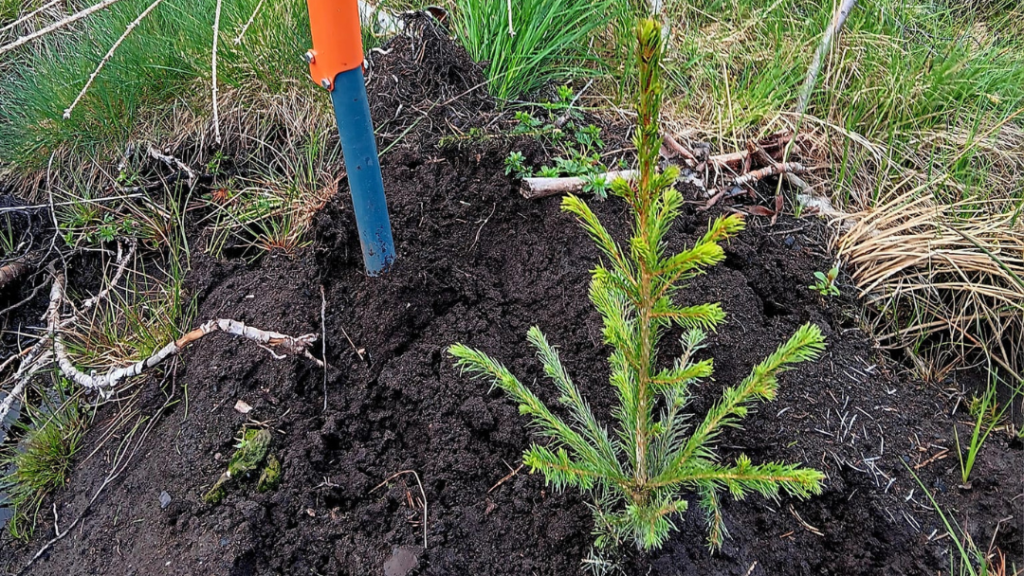
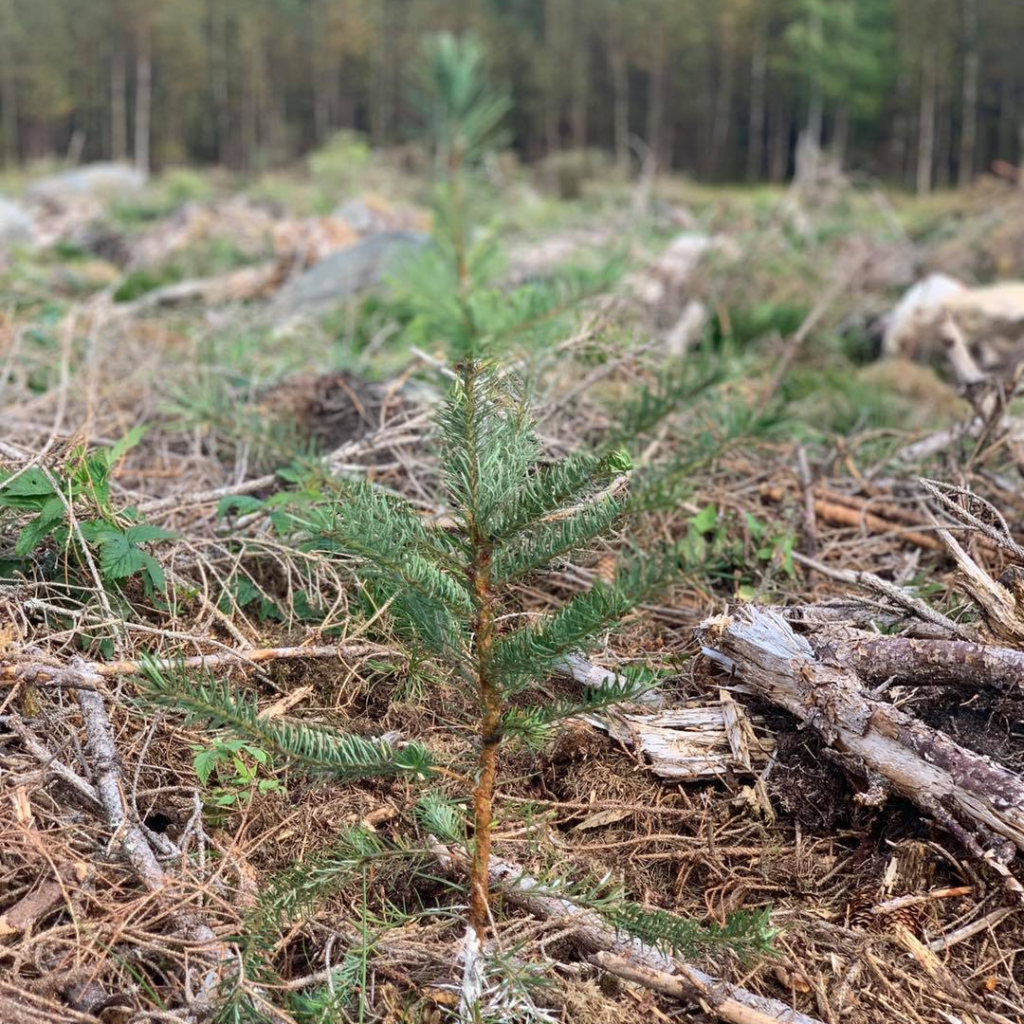
First shipment of seedlings has arrived
First shipment of seedlings has arrived Read More »
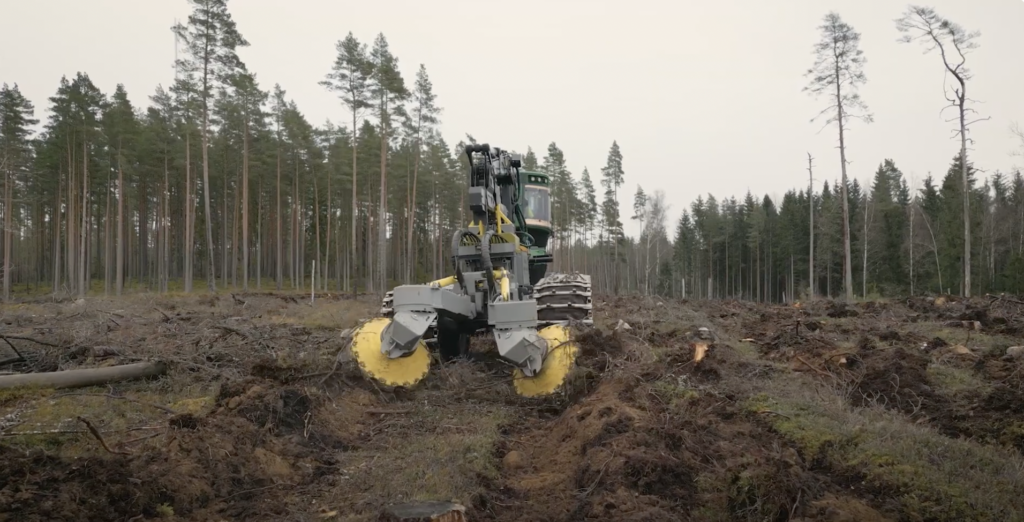
Scarification is a powerful tool in forest management, but it also raises questions about its impact on climate and the environment. Properly executed scarification contributes to increased growth – meaning more carbon dioxide is sequestered in the trees. At the same time, care must be taken with soil disturbance and protection zones around water bodies.
Land preparation and climate – how does it affect forests and the environment? Read More »
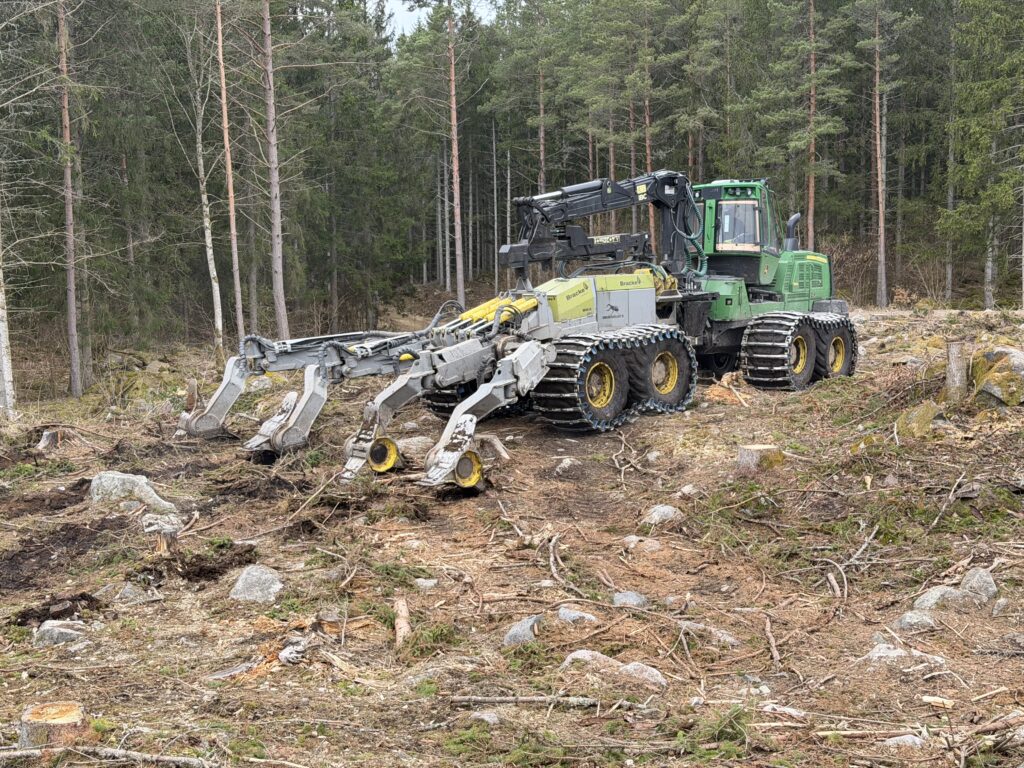
Not all soils are the same – that’s why there are different ways of scarifying. Choosing the right method is crucial to give the plants a good start without unnecessarily damaging the soil and natural values. Here are three common methods: This is how we choose the method: At Grimslövs Skogstjänst we always do a
Soil preparation is the preparatory measure that creates optimal conditions for new plants to establish themselves. It involves loosening the soil and creating planting points where the plants have good access to water, nutrients and oxygen – while reducing the risk of competition from weeds and grasses. The most common method in southern Sweden is
What is soil preparation – and why is it crucial for successful planting? Read More »
Many forest owners focus on planting new forests – but forget what happens afterwards. To get a straight, dense and viable forest of the future, it is not enough to put the seedling in the ground. Planting and clearing in combination is the key to long-term success. If the seedlings are left alone from wildlife
Planting + clearing = a winning concept for the forest of the future Read More »
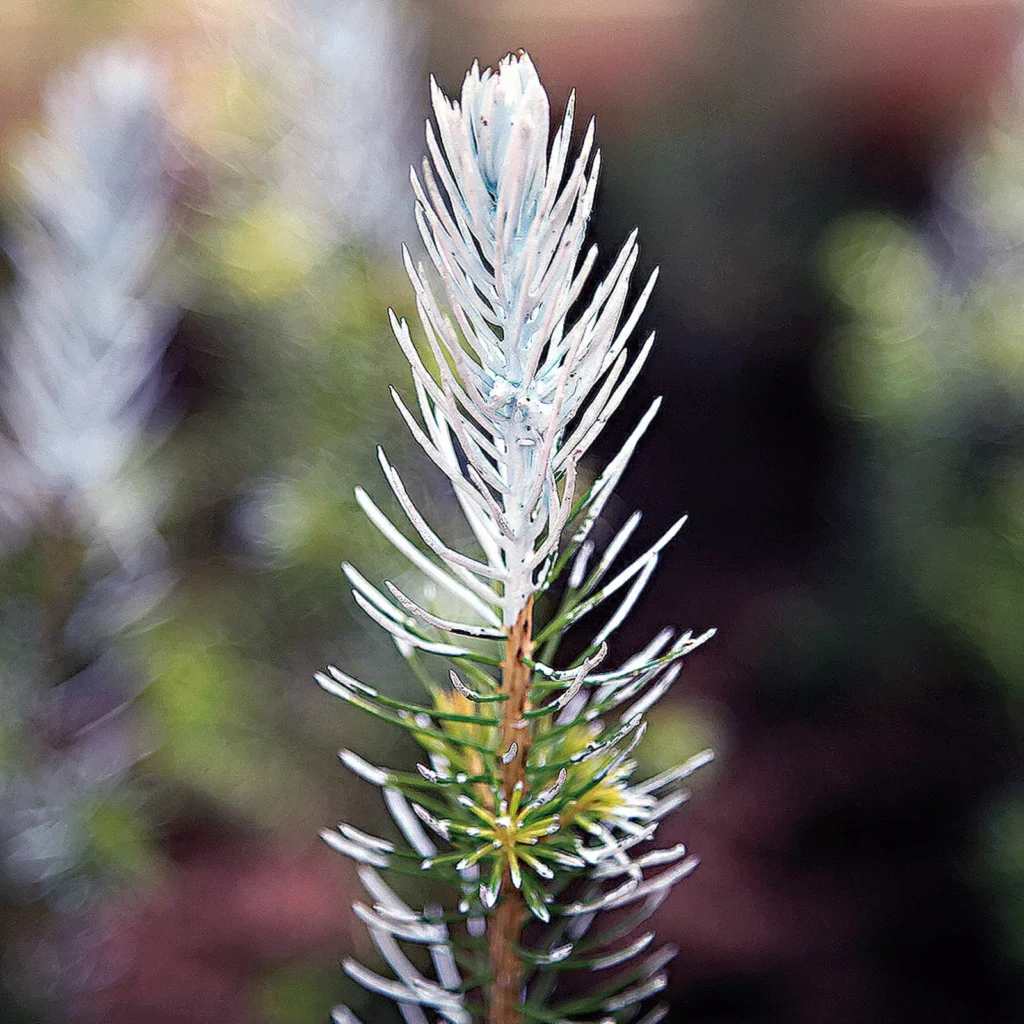
When it comes to protecting forest plants, there are several ways to go. The most common method in Sweden is chemical treatment, where a wildlife repellent is brushed or sprayed on the plant. It deters wildlife by taste or smell and provides effective protection during the winter months. Mechanical methods such as sleeves, nets or
Chemical or mechanical wildlife protection? We guide you to the right one Read More »
Planting new forests is an investment in the future. But young seedlings are vulnerable, especially to wildlife damage from moose, deer and elk. That’s why plant treatment a crucial part of regeneration. Plant treatment involves protecting plants by either chemical or mechanical means to prevent them from being grazed, defoliated or damaged. A well-implemented treatment
Protecting your forest plants – why plant treatment is a must Read More »
In sustainable forest management, clearing is not only a measure to increase timber value – it is also a way to improve the functioning of the forest ecosystem. A well-cleared forest is more resilient to diseases, storms and climate change. Controlling stand development through clearing can also influence which tree species dominate, which in turn
The role of clearing in climate-smart forestry Read More »
Knowing when it’s time to clear can be tricky – especially if you’re a new forest owner. But there are clear signs to look out for. Clearing should be done when the seedling or young forest starts to become so dense that the crowns of the trees no longer get enough light. This is when
When to clear the forest? Here are the signals not to be missed Read More »